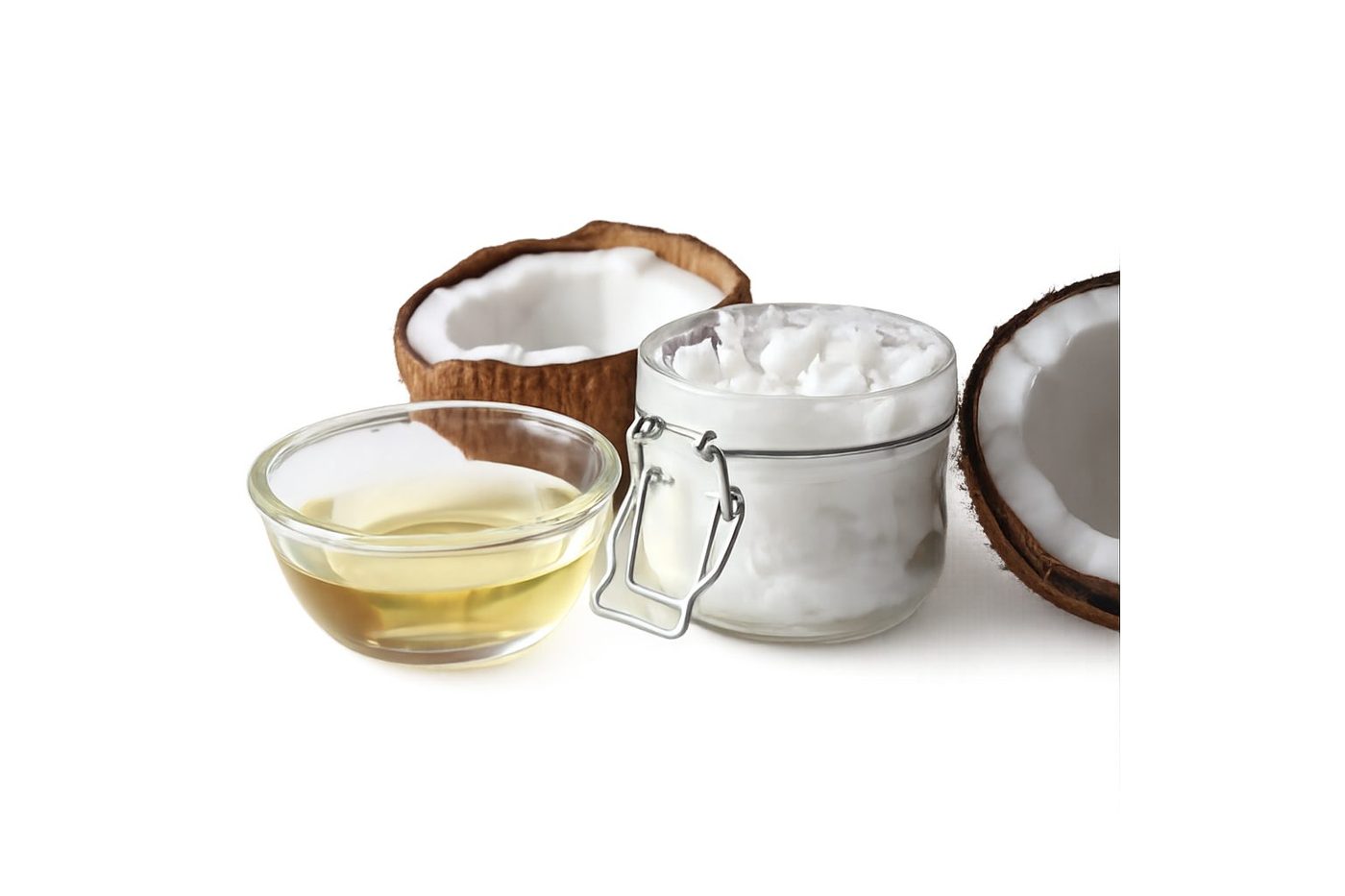
Refined Coconut Oil (RBD Coconut Oil), derived from dried coconut meat and processed through bleaching and deodorization. The result is a neutral-smelling, light-colored oil that’s perfect for both culinary and cosmetic applications.
RBD Coconut Oil is refined, bleached, and deodorized (RBD) to remove impurities and eliminate strong coconut odor or flavor—making it ideal for frying, baking, and sensitive skincare formulations.
Looking for a neutral, stable, and export-ready oil for your food, skincare, or manufacturing line? Meet Refined Coconut Oil (RBD Coconut Oil) from Vietnam Delta’s Coconut – a premium-quality oil that’s been bleached, deodorized, and purified to perfection. Sourced from high-grade coconut meat and processed under stringent conditions, our RBD coconut oil is a favorite across the culinary, cosmetic, and industrial sectors worldwide.
- Odorless, tasteless & light-colored – perfect for food & skincare
- High smoke point – ideal for frying, baking & roasting
- Ultra-low free fatty acid content (0.05%)
- Moisturizing & skin-friendly for lotions, creams & balms
- Extended shelf life & long-term stability
- Produced in Vietnam – globally trusted sourcing
Perfect For:
- Cooking oil blends & frying oils
- Bakery & snack food production
- Plant-based butter & spreads
- Skincare (moisturizers, creams, body oils)
- Soap, shampoo & lotion manufacturing
- Vegan, paleo & keto formulations
World Health Week – Coconut
To celebrate world health week today, we’re shining a spotlight onto our coconut category, and in particular onto our Coconut RBD Oil.
RBD Coconut Oil stands for Refined, Bleached, Deodorized, and is processed from dried coconut meat, different from Virgin Coconut Oil which is processed using fresh meat. A staple in kitchens worldwide thanks to its refined taste and high smoke point, and increasingly used in skincare too, lets take a look at the many health benefits this product can offer!
Rich in nutrients –
RBD Coconut Oil contains many nutrients including antioxidants, polyphenols, and vitamin E, but above all it contains lots of lauric acid, a medium chain triglyceride. Instead of being stored as fat, Lauric acid easily converts into energy which can improve your metabolism and help weight loss. Lauric acid also converts into monolaurin in the body, which fights harmful bacteria and viruses, and even provides anti-inflammatory and anti-oxidant benefits!
Great for heart health –
RBD Coconut Oil helps boost your high-density lipoprotein, what is known as “good” cholesterol. These HDL’s remove harmful plaque-building cholesterol from your artery walls, have metabolism boosting and microbial benefits, and are healthier than saturated animal fats.
Would you know how to judge RBD Coconut Oil quality if the COA was missing?
Here are 5 key parameters used in the RBD Coconut Oil industry:
- Free Fatty Acid (FFA, as Lauric)What it means: How thoroughly the oil was neutralized during refining — directly affects taste, stability, and shelf life.Typical commercial specification: Max 0.05–0.1%.
- Moisture & ImpuritiesWhat it means: Residual water/solids after refining, bleaching, and deodorizing.Typical commercial specification: Max 0.1%. Excess moisture accelerates hydrolytic rancidity in storage.
- Peroxide Value (PV)What it means: A freshness indicator confirming the deodorizing step was effective.Typical commercial specification: Max 2 meqO₂/kg.
- Color (Lovibond Scale)What it means: Confirms the bleaching step removed pigments — buyers in pharma/cosmetics are strictest here.Typical commercial specification: 0.4R–1.0R max (5¼″ cell), depending on grade (Red 0.4 Max being premium).
- Melting Point & Iodine ValueWhat it means: Confirms authenticity and consistency of the lauric oil profile (batch-to-batch stability).Typical commercial range: Melting point ≤26°C; Iodine Value 7–11 (Type 1) or 17–20 (Type 2).
The best RBD Coconut Oil isn’t judged by clarity alone. It’s the combination of FFA, moisture, PV, color, and melting point/IV that determines whether it’s truly food-, pharma-, or cosmetic-grade.
“Cheap RBD Coconut Oil” — the purest-looking product is often the easiest one to fake.
Here’s the paradox of refined coconut oil: because RBD is refined, bleached, and deodorized — clear, odorless, tasteless, just like the real thing — it’s actually the EASIEST product to blend without anyone noticing by sight or smell.
Here’s the mistake I see many buyers pay dearly for:
Lauric Acid content and purity diluted to cut costs
Some cheap RBD batches get blended with palm oil, palm kernel oil, or recycled oil from low-quality CNO sources. Because it’s gone through full refining, the blended product looks, smells, and tastes identical to pure coconut oil — it only shows up under a detailed fatty acid profile analysis, where genuine coconut oil should hit a Lauric Acid content of 45–53%.
The real-world impact: If you’re supplying cosmetics, pharma, or premium food industries, a blended product will fail declared specs, can violate labeling regulations when exporting to the EU or US, and directly damages your brand’s credibility with end customers.