Not all charcoal is created equal.
Coconut Shell Charcoal is valued for its:
- High fixed carbon
- Long burning time
- Low ash content
- High calorific value
- Minimal smoke
These qualities make it ideal for BBQ, activated carbon production, metallurgy, and industrial applications.
Carbon Quality & Applications
Coconut shell charcoal is suitable for:
- Activated carbon production
- Professional BBQ & food service
- Industrial and clean fuel applications
With low ash and stable carbon, it helps buyers maintain consistent output and reduce processing losses.
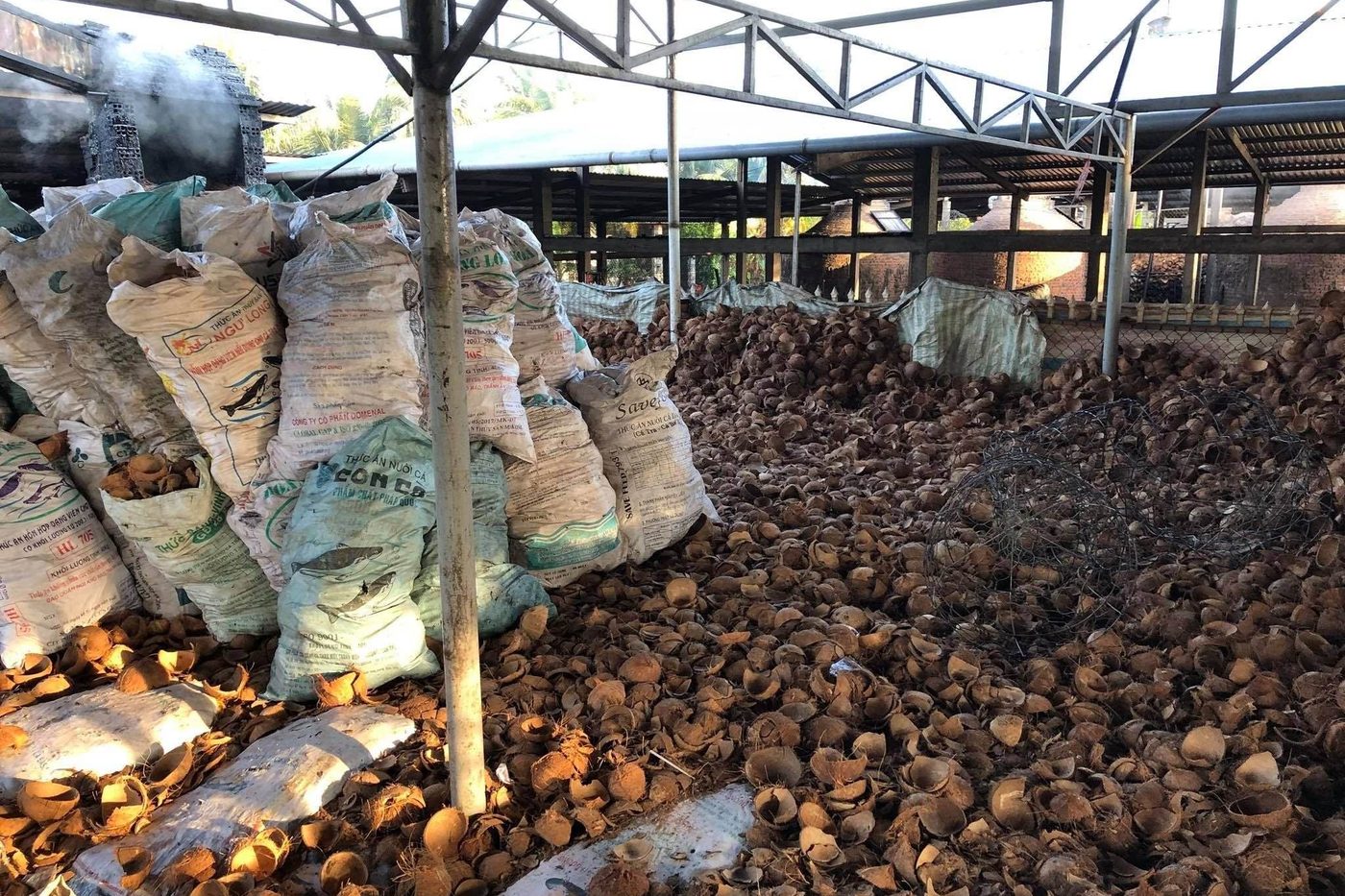
The Story of Coconut Shell Charcoal
Coconut shells have a naturally high lignin content and dense structure, making them ideal for producing charcoal with:
- High fixed carbon
- Low volatile matter
- Uniform internal porosity
Unlike wood charcoal, coconut shell charcoal offers more stable chemical properties, which is why it is widely used as raw material for activated carbon factories and clean fuel applications.
Clean Heat Comes from Controlled Carbonization
Properly produced coconut shell charcoal delivers:
- Stable fixed carbon levels
- Low ash content
- Clean burning with minimal smoke
- Consistent size and hardness
Poor processing leads to mixed-quality batches, high moisture, and unstable performance—issues that directly affect downstream production.
Process Control Makes the Difference
Coconut shell charcoal production focuses on:
- Controlled carbonization temperature & time
- Moisture control after cooling
- Careful sorting to ensure uniform size
- Clean packing to avoid contamination
This ensures shipment quality matches approved samples, not just in appearance but in real performance.