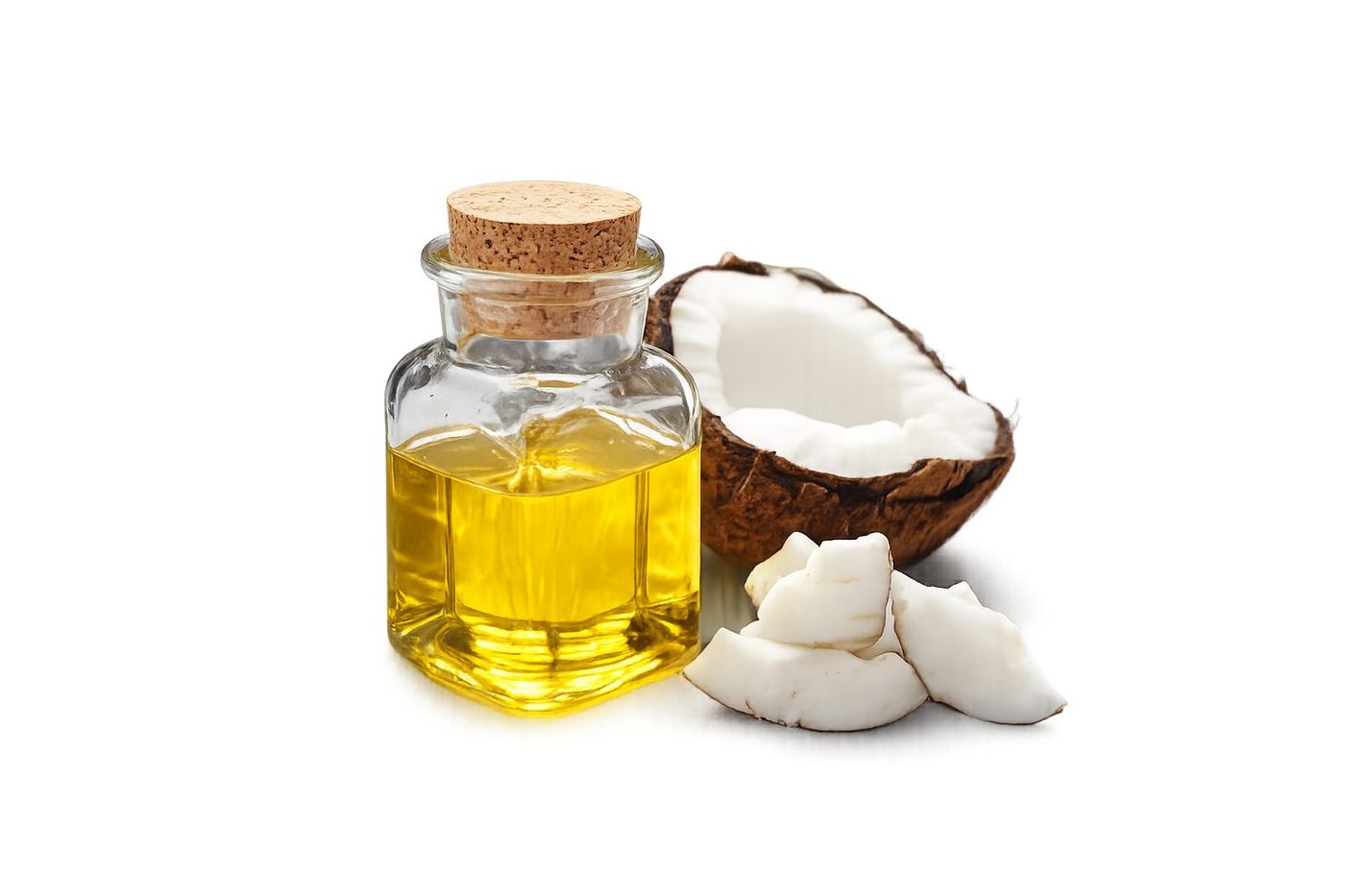
I’ve watched refineries lose far more than they saved — all because a CNO (Crude Coconut Oil) batch was priced a few dozen dollars cheaper per ton than the market rate.
In this business, one rule holds true: an unusually low price is rarely an opportunity. It’s almost always a risk wearing a discount tag.
Here are the 5 most common traps buyers fall into — and how they quietly destroy margins:
1. FFA and moisture “polished” on paper
Industry standard requires FFA under 5%. But many cheap batches come from coconut meat that’s been stored too long or improperly — pushing FFA past the limit before the oil even leaves the origin. By the time it reaches you, oxidation has already started.
The result? Higher refining costs, lower yield, and a final RBD product that never quite hits spec.
2. Unclear origin — and the risk of blended, low-quality oil
Cheap pricing sometimes hides oil blended with other vegetable oils or recycled oil. It’s nearly invisible to the eye — only in-depth lab testing (iodine value, fatty acid profile) can catch it.
Worse, suppliers offering these prices rarely operate on long-term contracts. Their supply breaks down the moment seasonal fluctuations hit — leaving factories that depend on continuous raw material scrambling for a backup source.
3. Copra dried over direct smoke — the cheapest and most common method at small scale — generates PAHs, particularly benzo(a)pyrene. They carry straight into the oil and they do not disappear in standard refining; reducing them requires dedicated activated carbon treatment, which is expensive and eats yield.
On top of that: MOSH/MOAH from machinery oil and packaging, pesticide residues, and 3-MCPD esters and glycidyl esters formed during high-temperature deodorisation. The EU and other premium markets set hard limits on all of these.
4. The trap is in the tank, not in the mill
Coconut oil solidifies below roughly 24°C, so it has to be heated to discharge. Three things tend to go wrong at once: a flexitank that isn’t food-grade, no tank cleaning certificate with a last-three-cargoes declaration, and over-heating during discharge that spikes peroxide value and colour.
A 24-tonne parcel can lose its entire commercial value because the previous cargo in that tank wasn’t on the acceptable list. No refining step repairs that.
→ The fix: write it into the PO — tank cleaning certificate, last-three-cargoes declaration against the acceptable previous cargo list, a heating temperature and ramp-rate limit at discharge, and sealed samples drawn at both ends.
The lesson is that CNO, quality isn’t decided on the quotation sheet. It’s decided by how the copra was dried, by how the price was structured, and by the tank that carried it.
A good price has to come with transparency: an independent COA against your actual lot, traceability down to growing area and drying method, and a supplier willing to commit long term.